
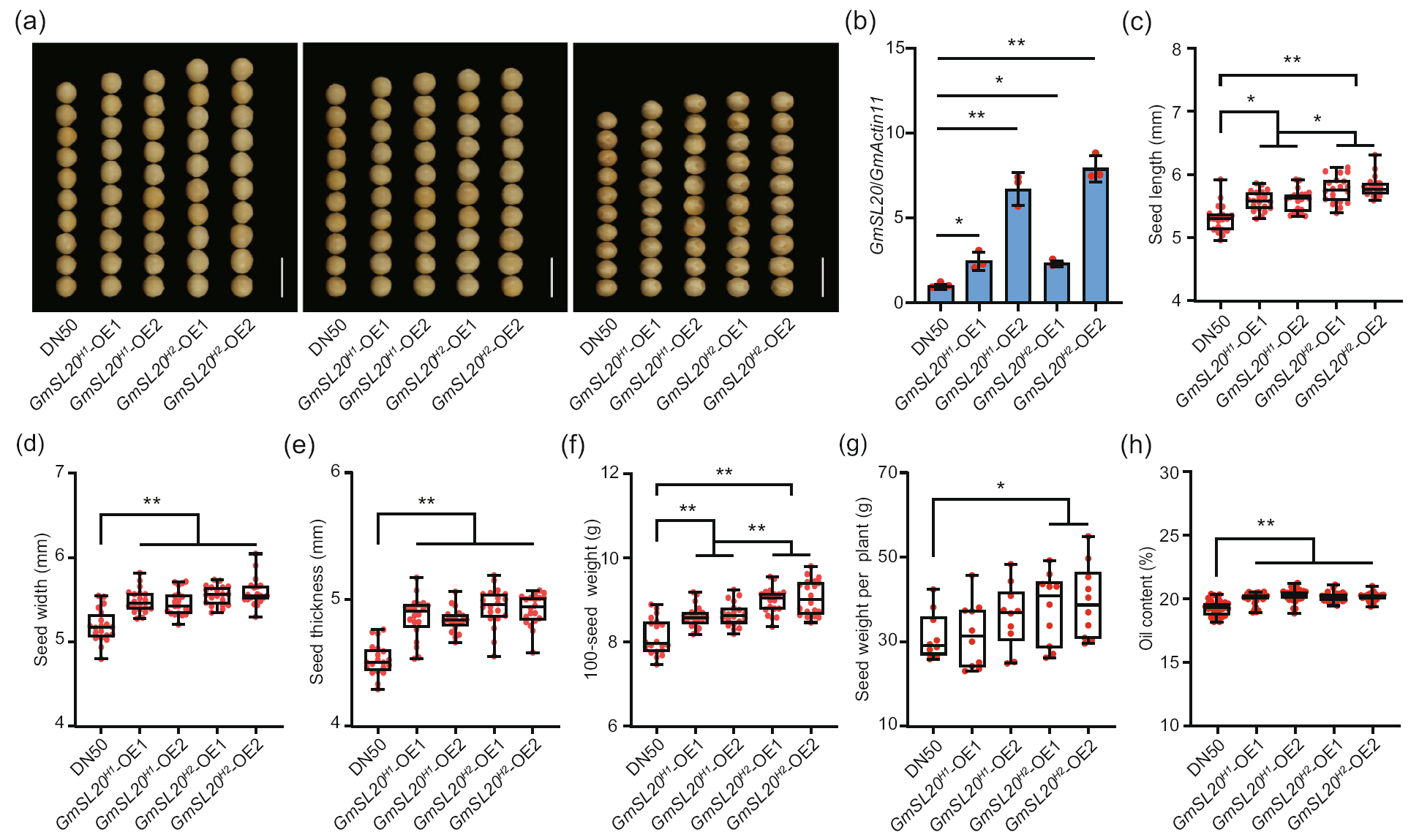
Seed size plays an important role in determining crop yield. Here, we perform a genome-wide association study mapping with seed length variations and identify a major quantitative trait locus (QTL) on chromosome 20, named SL20 (Seed Length 20). GmSL20 encodes a TGA-type bZIP transcription factor that controls soybean seed size and weight in natural populations. Further functional investigations reveal that GmSL20 directly activates GmST05 and GmZF351, thus promoting carbon partitioning to seeds. A super allele that arose from domestication confers elevated capacity for DNA binding and transcriptional activation to GmSL20. The role of GmSL20 to promote yield and quality underscores its potential as a valuable resource for soybean breeding programs seeking to improve both traits simultaneously.
2026-08-14
Leaf morphology varies substantially across plant species. In soybeans, the regulation of compound leaf development remains poorly characterized, despite its critical role in plant architecture. In this study, we identified a gene behind the leaflet number variation as LF1, an AP2/ERF transcription factor. Transgenic overexpression of LF1 increased leaflet number. Further investigation revealed that LF1 regulates leaflet development through negative autoregulation via GCC-box cis-element binding. In addition to the role of LF1, the CRISPR-edited mutant of TEOSINTE-BRANCHED1/CYCLOIDEA/PCF3 (GmTCP3) displayed serrated blade margins in juvenile leaves and increased compound leaflet numbers. Furthermore, we demonstrate that LF1 induces the expression of GmLFY, a key regulator of leaflet development. Altogether, our findings enlighten the role and mechanism of LF1 in soybean leaflet regulation.
2025-12-12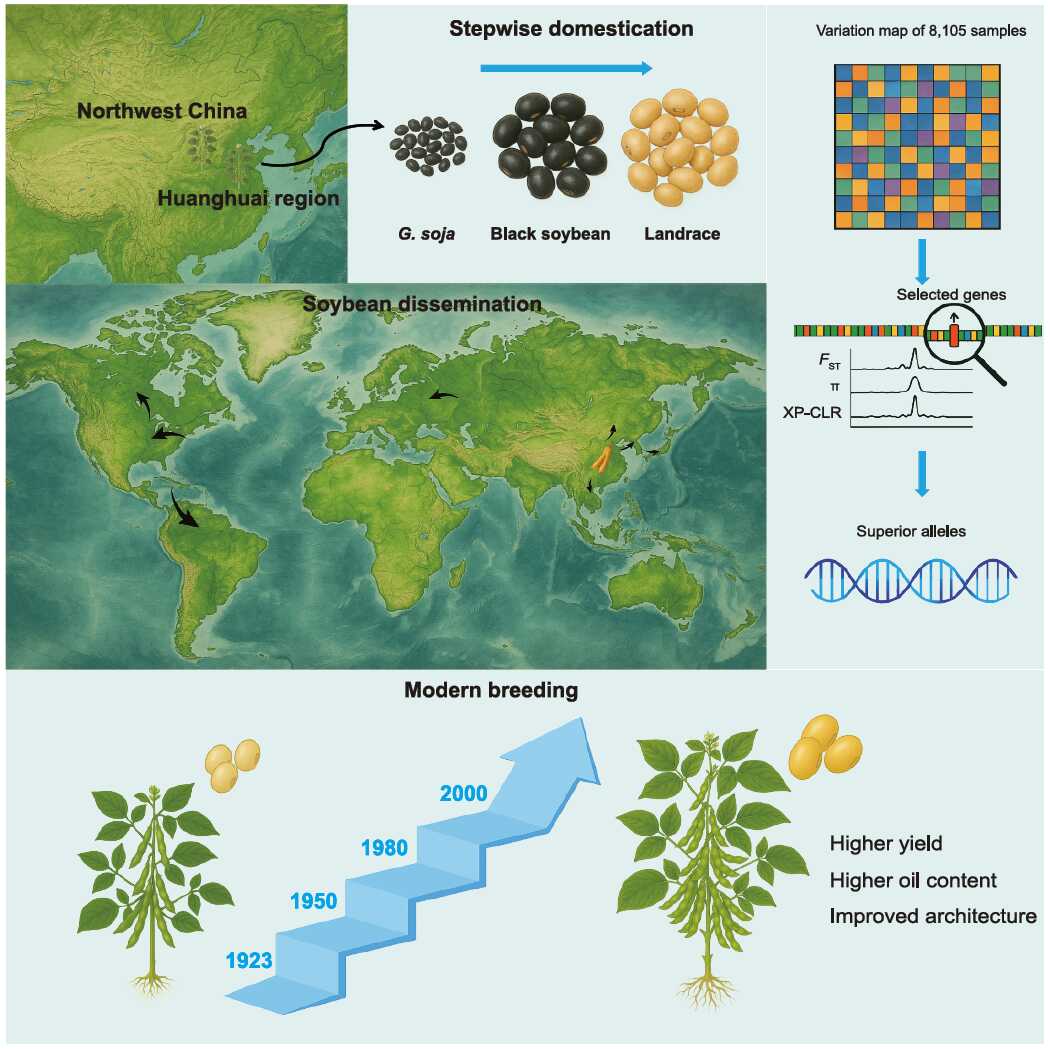
A systematically investigation of the genes under selection of 8,105 soybean accessions underlying domestication, dissemination, and improvement. The analyses revealed that black soybeans serve as a critical domestication intermediate; numerous selected genes that have contributed to trait enhancement and environmental adaptation during the global dissemination; and a temporal shift of breeding priorities in soybean improvement in China. This work contributed a variation map and quantitative trait nucleotide (QTN) library. This study provides valuable insights and serves as a critical resource for understanding soybean domestication and informing breeding strategies.
2025-11-19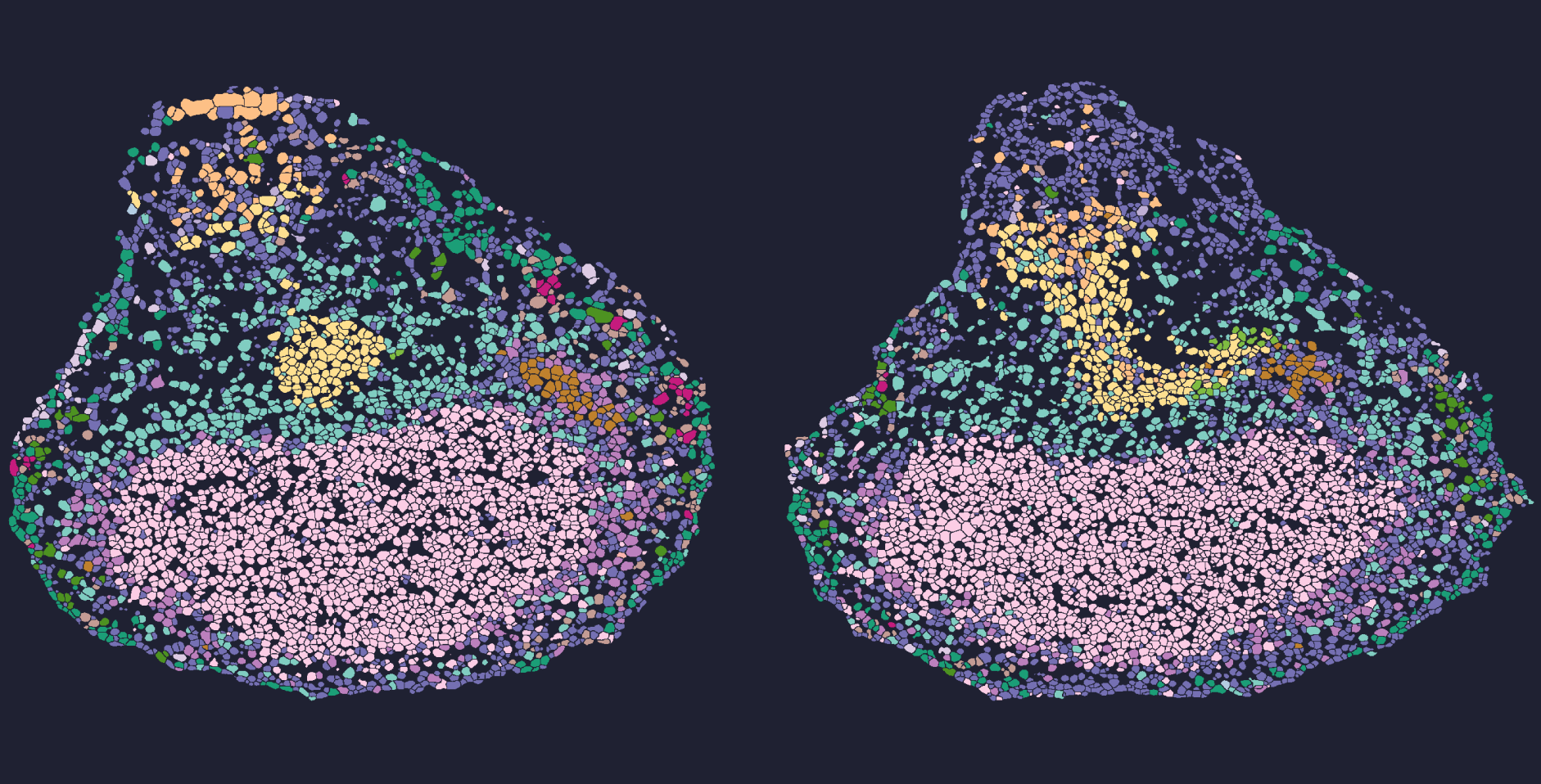
A comprehensive transcriptomic atlas was developed for soybean by integrating bulk RNA-seq, snRNA-seq and Stereo-seq data across different developmental stages and organs. This resource has robust power for exploring key genes involved in soybean organ development and provides a user-friendly database to advance functional studies.
2025-02-20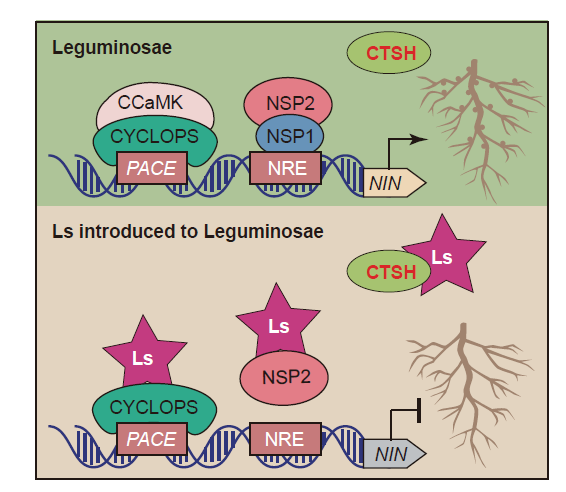
This study dissected gene loss event in evolution of RNS in Leguminosae and suggests that loss of Lateral suppressor gene play a vital role in Leguminosae harboring the RNS ability.
2024-10-08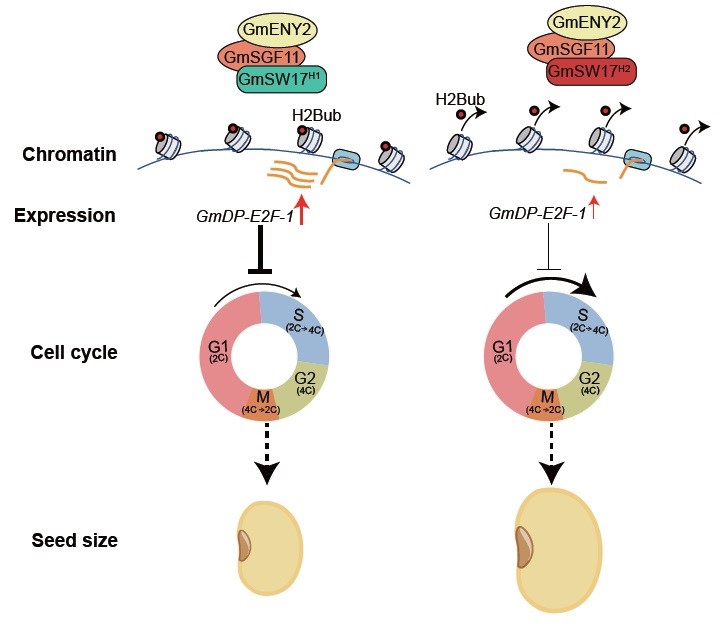
Seed size/weight plays an important role in determining crop yield. Here, we perform a genome-wide association study and identify a major quantitative trait locus (QTL), named GmSW17 (Seed Width 17), on chromosome 17 that determine soybean seed width/weight in natural population. GmSW17 encodes a ubiquitin-specific protease, an ortholog to UBP22, belonging to the ubiquitin-specific protease (USPs/UBPs) family. Further functional investigations reveal that GmSW17 interacts with GmSGF11 and GmENY2 to form a deubiquitinase (DUB) module, which influences H2Bub levels and negatively regulates the expression of GmDP-E2F-1, thereby inhibiting the G1-to-S transition. Population analysis demonstrates that GmSW17 undergo artificial selection during soybean domestication but has not been fixed in modern breeding. In summary, our study identifies a predominant gene related to soybean seed weight, providing potential advantages for high-yield breeding in soybean.
2024-10-08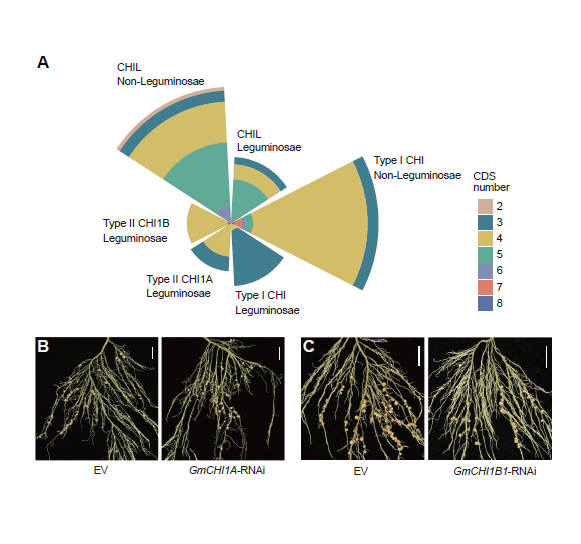
Leguminosae-gain type ⅡCHI participated in RNS and the duplicated CHI1A and CHI1B genes exhibited structural divergence and RNS functional divergence, revealing that duplication and sub-functionalization of flavonoid biosynthesis genes play important roles in Leguminosae RNS evolution.
2024-08-03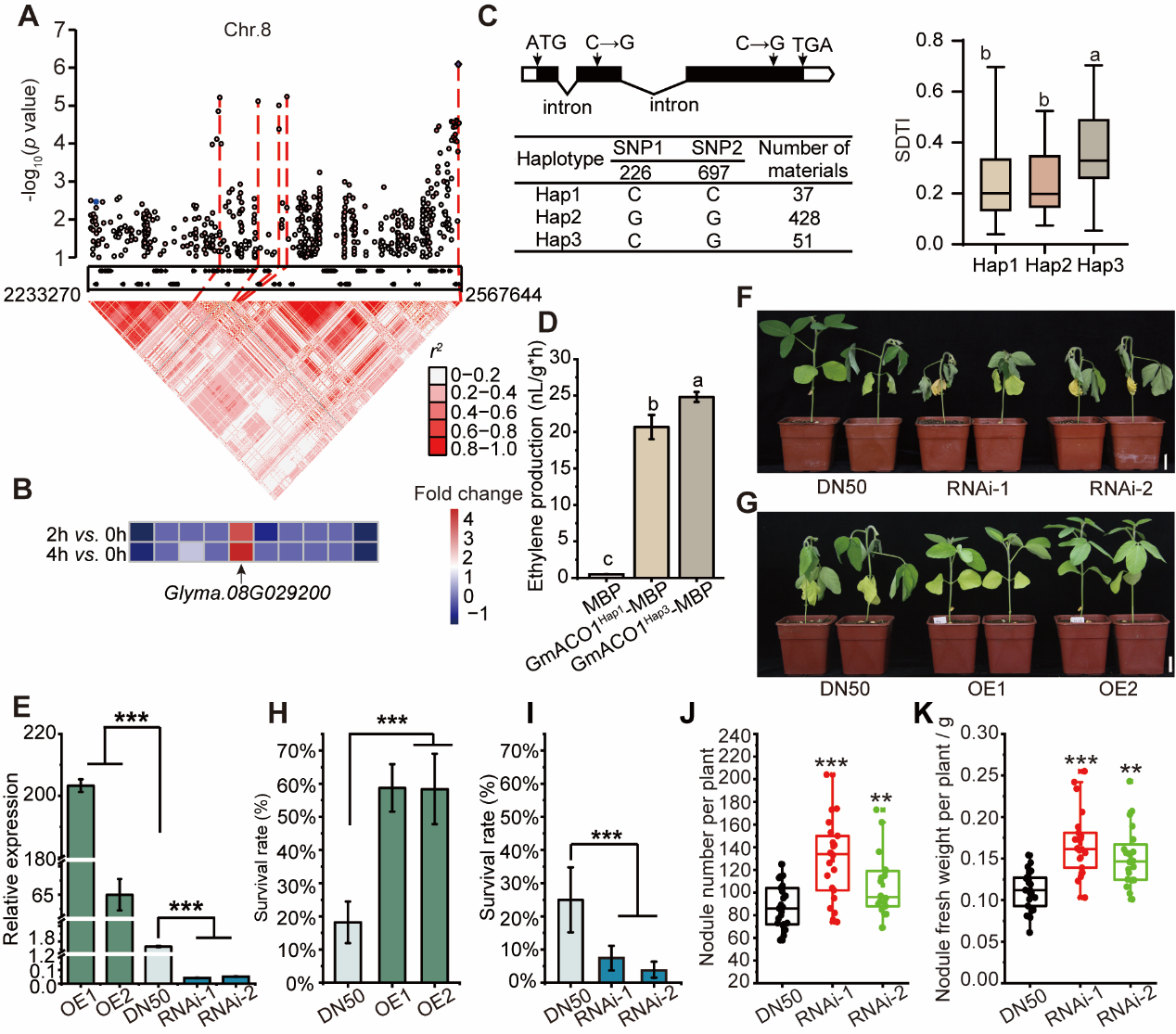
On April 18, 2024, the story of GmAOC1 was online on aBIOTECH. GmACO1 is a gene responsible for drought tolerance and nodule formation in soybean natural populations, providing insights into soybean cultivars for future breeding.
2024-05-09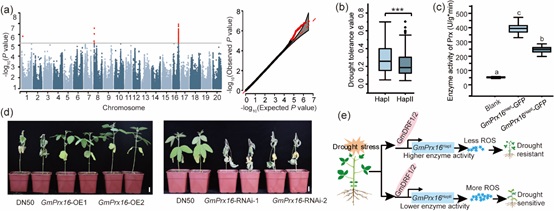
On November 23, 2023, the story of GmPrx16 was online on Plant Biotechnolgy Journal. GmPrx16 is a key gene responsible for drought tolerance in soybean natural populations, providing insights into the development of drought-tolerant soybean cultivars by molecular design breeding.
2023-11-24
On October 8, 2023, the production of salt-tolerant soybean strain “Kedou 35” which bred in Tian Lab reached to 306.52 kg/mu in the demonstration saline-alkali filed at Dongying, Shandong.
2023-10-09